When security becomes part of the operation
Author: Ben Dewson, CEO at NHN Group
There is a big difference between having security on site and having security working as part of the site.
It becomes particularly clear in complex operational environments.
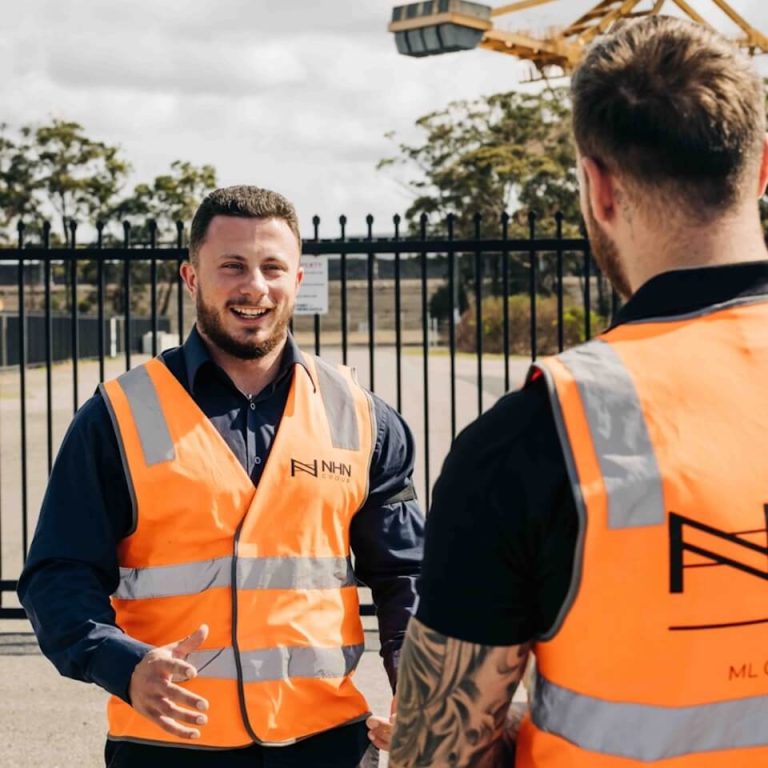
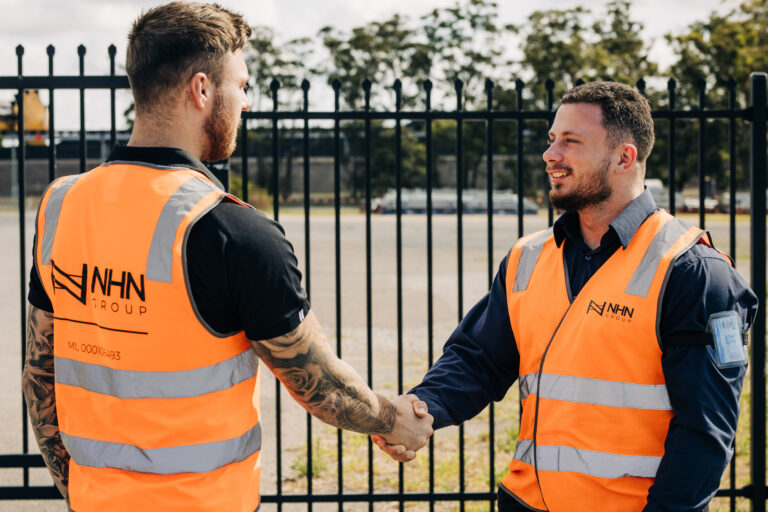
At a port, energy facility, piece of critical infrastructure or industrial site, the person at the gate is not simply checking access. That interaction can impact a contractor getting to work, a delivery arriving on time, a maintenance schedule or the movement of a shift onto site.
An incident doesn’t necessarily stop at being a security issue either. It can quickly have implications for safety, production, people and operational continuity.
In environments where keeping the operation moving matters, security has to understand what it is protecting and how the operation around it works
When security becomes operational
Good security will always rely on good people.
But the people you see on site are only one part of the security function.
Across the complex environments we work in, we’ve seen how much depends on what sits behind them: site knowledge, supervision, clear escalation, useful reporting and managers who understand the operation and can make decisions when circumstances change.
This becomes particularly important when something falls outside the normal process.
What happens when a contractor doesn’t meet an access requirement, but critical work is scheduled? When unusual activity is identified on a patrol? When an incident affects access to an operational area? Or when external disruption changes conditions around the site?
There isn’t always a better outcome from simply adding more security.
Sometimes the answer is an additional resource. Sometimes it is a change to access arrangements, a targeted patrol, an investigation or getting the right information to the right person earlier.
Knowing the difference requires judgement and an understanding of the operation.
What happens to all that security information?
This is another area where we think the role of security is changing.
Security teams see a lot.
Through access control, patrols and incident response, they can see recurring access problems, patterns in contractor movements, unusual activity and issues that may be insignificant individually but more meaningful when viewed over time.
The question is what happens to that information.
If reporting simply confirms that a patrol happened or records an incident after the fact, much of its potential value is lost.
Technology, dashboards and automation are making it easier to capture and interpret security information. But more data isn’t the objective.
Better visibility is.
For an operational leader, useful security reporting should make it easier to understand what is happening, where something is changing and what might need attention.
What this means for NHN
We don’t see managing security as simply putting people against roster positions.
Those people are critical. But our job is also to make sure they have the right structure around them to perform effectively.
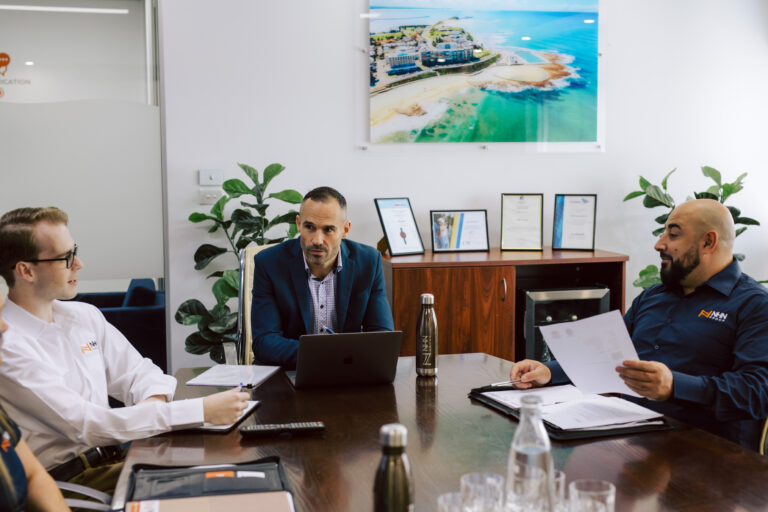
That means understanding the client’s operation, managing and supporting our workforce, maintaining strong QHSE and compliance, providing clear escalation and useful reporting, and bringing in investigations or risk capability where it is needed.
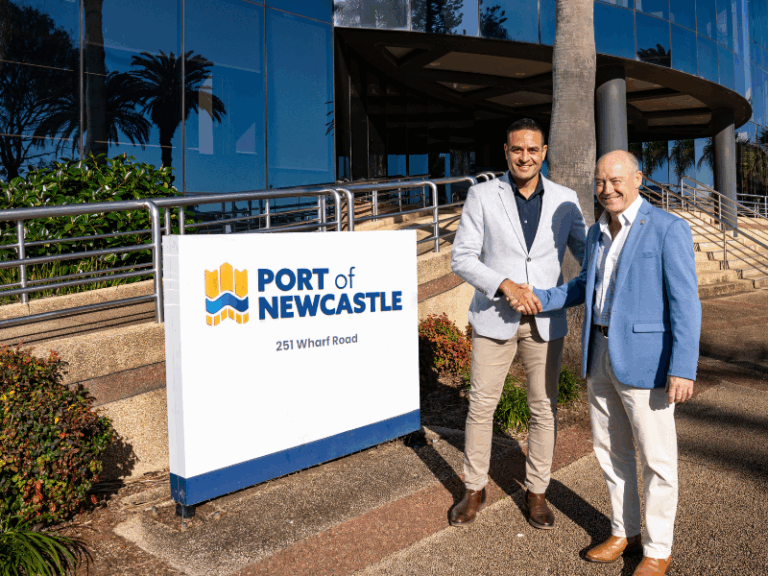
Being Hunter-based is important to that model too. Our clients can access local decision-makers who know their operation and can respond when required.
For critical infrastructure, ports, energy, resources and heavy industry, we think this matters.
These are environments where security needs to protect important people, assets and operations, while recognising that unnecessary disruption can carry consequences of its own.
The aim isn’t more security for the sake of it.
It is a security function that understands the operation, provides confidence and visibility, and helps keep it moving.
Because the real value isn’t simply having security on site. It’s having security that works as part of the operation.